

Data is far from being a plain subjects. Aeroplanes, airport, airlines captures a lot of data that support its operations. Analytical use of the data through Analysis & Intelligence & AI inform decision makers and the public about noise and use of Heathrow Airspace. However, massive amounts of unintentional, background data generated by digital activities and systems is captured on a daily basis. This data exhaust and operational data can become invaluable, if it is consumed ethically, legally, and suitably formatted for its consumption. We discuss the operational and analytical data planes.
Taking off
Aeroport operations
Imagine a busy aeroport in London, where aeroplanes, goods, people, employees, luggages are tracked through the day and possibly the night. Imagine each time passengers scans their tickets, and passports through digtial services, data is being collated and temporarily traced throught the immense buildings. .
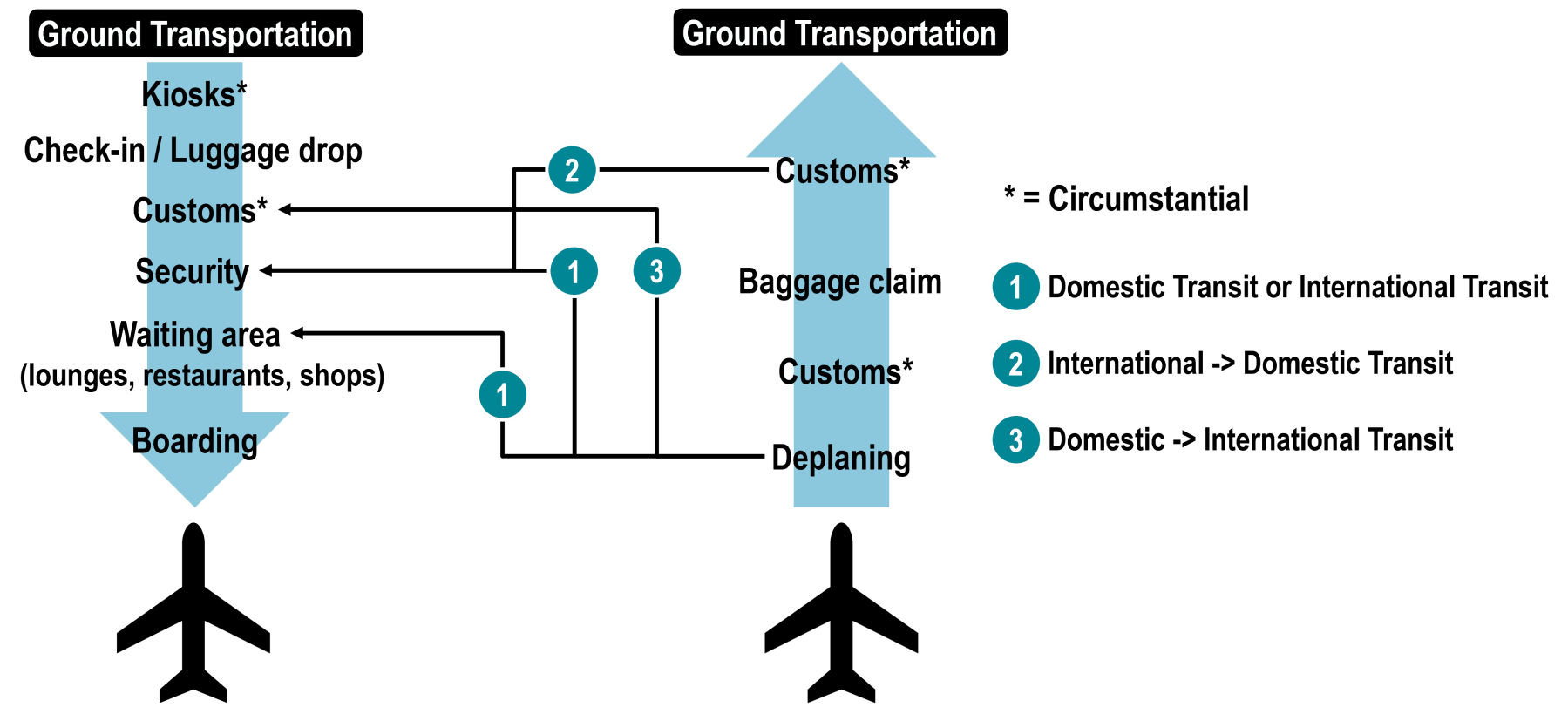
Imagine all the other data captured about airplanes’ landings, taking off, gate availability. Imagine capturing data about refreshments, goods, luggage, and people working at the airport itself.
Searching and booking transport tickets
Imagine looking for the best flight deals online for a destination you want to visit. You use a comparison website, a search engine, a map, and other sites to find the right information.
You chat on social media about what you find and consider other places to go. You buy your tickets, get an email confirmation, and save your flight details in a document.
Think about how your IP address is tracked, the time you spend browsing, your location, email address, the types of flights you like, how much time you spend before picking a flight, and other details that are saved in system records.

How is London Heathrow informing about the use of its airspace?
London Heathrow operations generates noises in its airspace. London Heathrow monitors airspace transparently by publishing analytical datasets and dashboards. Operational traffic and wind direction are both transformed and aggregated in monthly and yearly reports. Operational data becomes valuable – it has been transformed into a consumable data product.
Link to data product: https://www.heathrow.com/company/local-community/noise/data/operational-data
How is British Airways using Aeroplanes data for planning maintenance tasks?
British Airways invested in transforming operationals data into reporting and analytics to predict maintenance to its aeroplanes. Machine Learning – a predictive form of artificial intelligence – consume analytical data to predict maintenance tasks and efficiencies across its engineering departments.
Link to more information: https://mediacentre.britishairways.com/pressrelease/details/18932
Two data planes
Mastering data becomes an art – there is not one type of data but several types of data that meet the needs of airports, selling flights, or maintaining the systems that allow those activities. Each situation is unique, but each of them is part of the symbiotic relationship between operations, analytics, and system management.
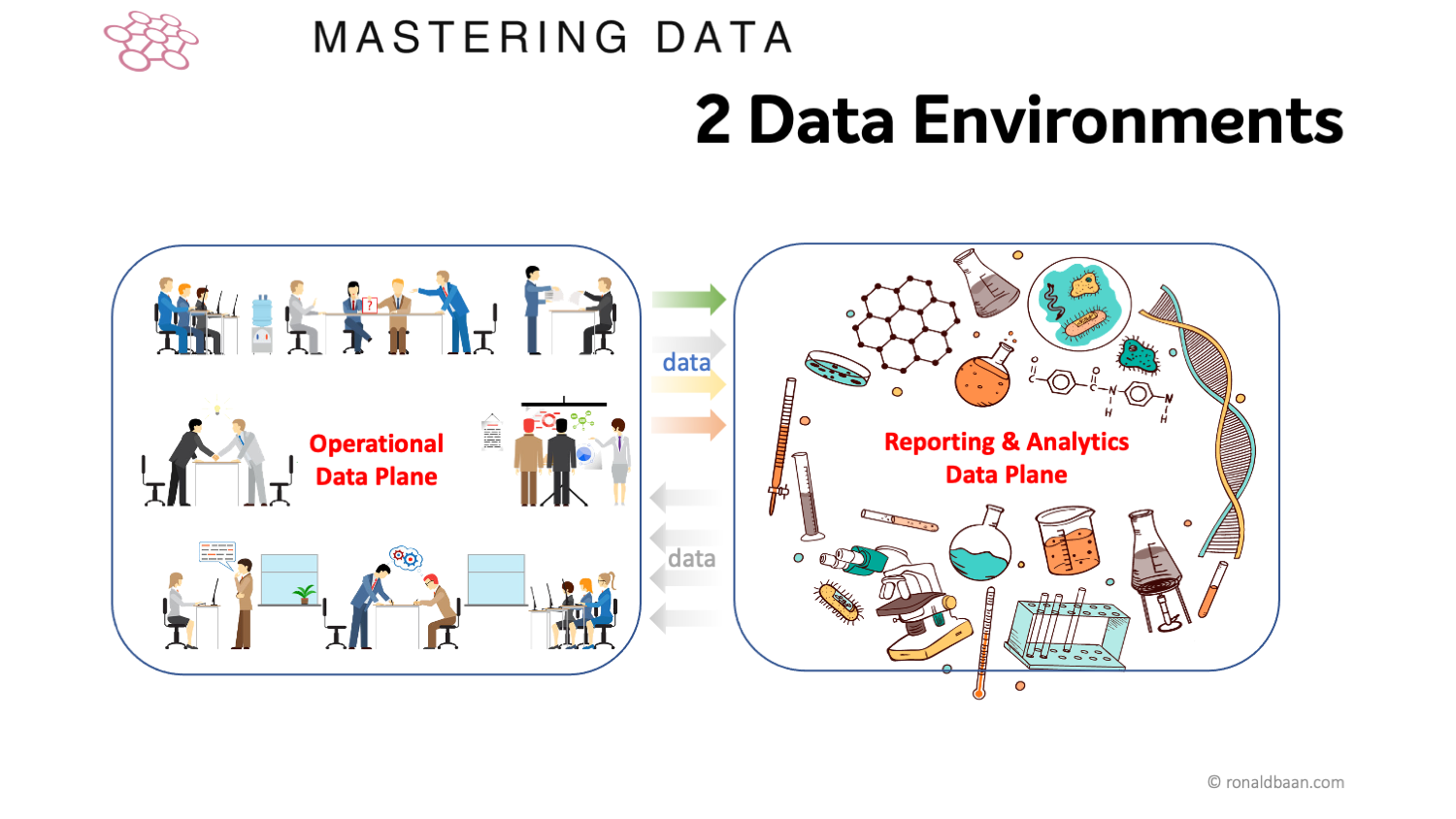
Airports and airlines use operational data to enhance their activities. Decision-makers and researchers rely on operational data and various sources to gain insights. Both collect large amounts of operational data for multiple purposes, including personal information that can identify individuals when combined with other sources like social media, geospatial data, and email addresses.
Airports design data capture systems to support multidisciplinary teams and legal standards. This data is crucial for their operations. Privacy notices explain how personal data is used for specific purposes. For instance, Heathrow provides a privacy notice that complies with UK GDPR and other laws, detailing market research and data protection. Similarly, British Airways offers a detailed privacy notice.
Data about our activities and other traces remain stored in multiple systems. Organisations are likely to value highly such data exhaust to transform it into knowledge and this knowledge into wisdom. Weaknesses in the organisations, web page content lacking clarity, areas where most trades occur, purchasing patterns, and our habits can be identified and inferred through the data. It is also unknown how long the data is kept by vendors and IT companies.
The operational and analytics data planes can only thrive if both their needs are considered separately with a high level of mutualism. The operational side of the organisation can function, and the analytical needs of relevant data capture are met. Thinking like researchers with analytical needs in mind can bring a successful consumption of data in data-driven products. There is not one data; there are several types of data. Aeroport and airlines have demonstrated if there is a need, there is a way.
Further information : https://www.oag.com/blog/airline-data-analytics-evolves-the-role-of-new-data and https://www.oases.aero/blog/harvesting-and-utilising-the-vast-amounts-of-data-produced-by-modern-aircraft-part-1/
 Interesting Computing